GIANT LEAPS Special Session at EFFoST2025: Showcasing progress on alternative proteins
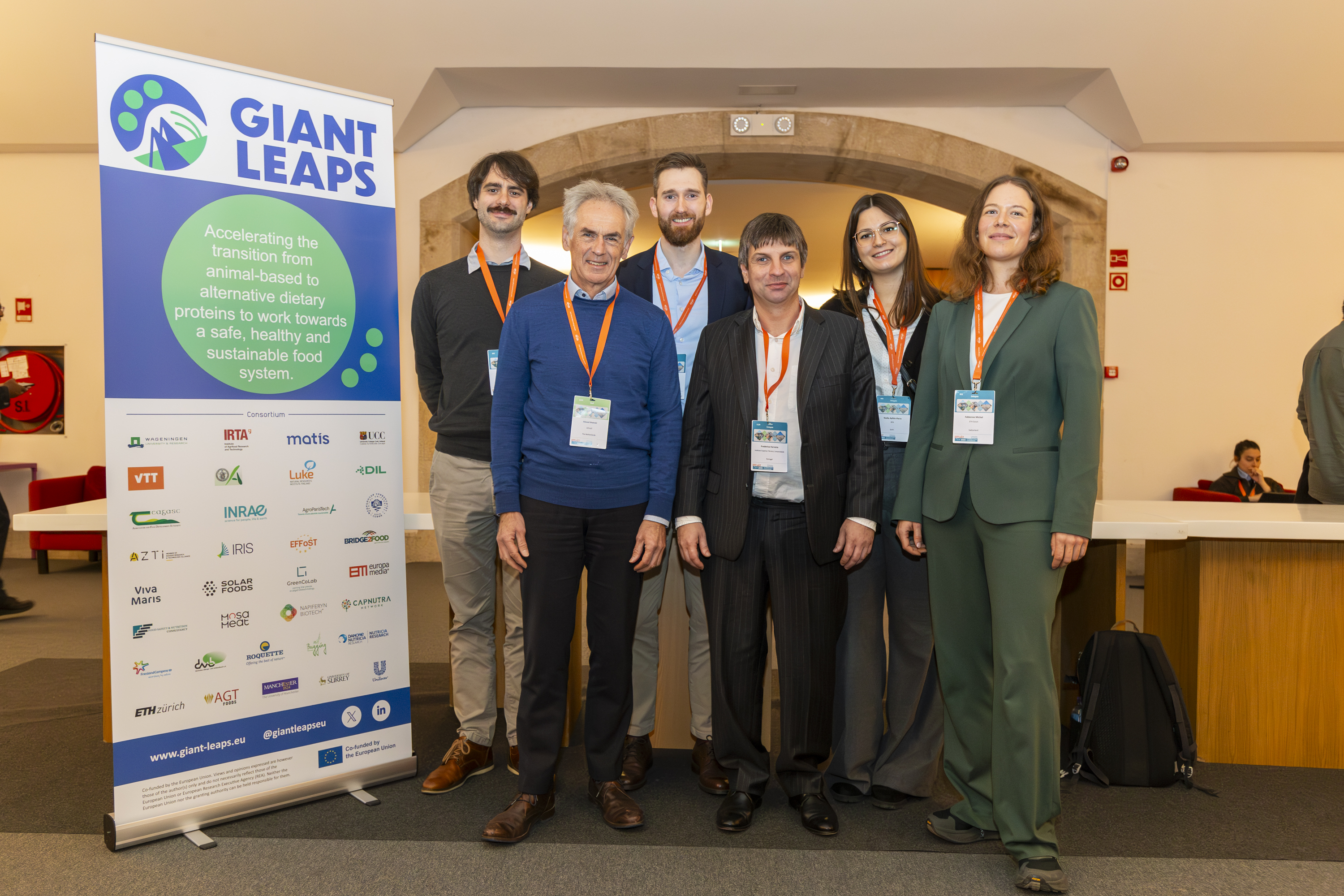
At the 39th EFFoST International Conference, GIANT LEAPS hosted the special session “Filling knowledge gaps on alternative proteins to accelerate the dietary shift.” The session provided an overview of the project’s latest results and highlighted how interdisciplinary research is supporting the transition towards more sustainable protein sources.
As a Horizon Europe project bringing together 31 partners from 13 countries, GIANT LEAPS aims to address key knowledge gaps related to the nutritional quality, safety, allergenicity, techno-functionality, and environmental performance of alternative proteins. The special session offered the opportunity to share progress and exchange with the wider food science community. The FEASTS project was also introduced, highlighting synergies in advancing protein diversification.
Advancing protein screening through machine learning
Gerard Marrugat (AZTI) presented a machine learning-driven algorithm developed within GIANT LEAPS to support
comprehensive screening of alternative proteins. Built on a database covering nutritional, environmental, safety, and
techno-functional parameters, the tool enables researchers and industry to make more informed decisions when developing
new protein-based products. The presentation also identified areas where additional data is needed, particularly in
sustainability and functionality domains.
Improving plant-based analogues with fermentation and
enzymes
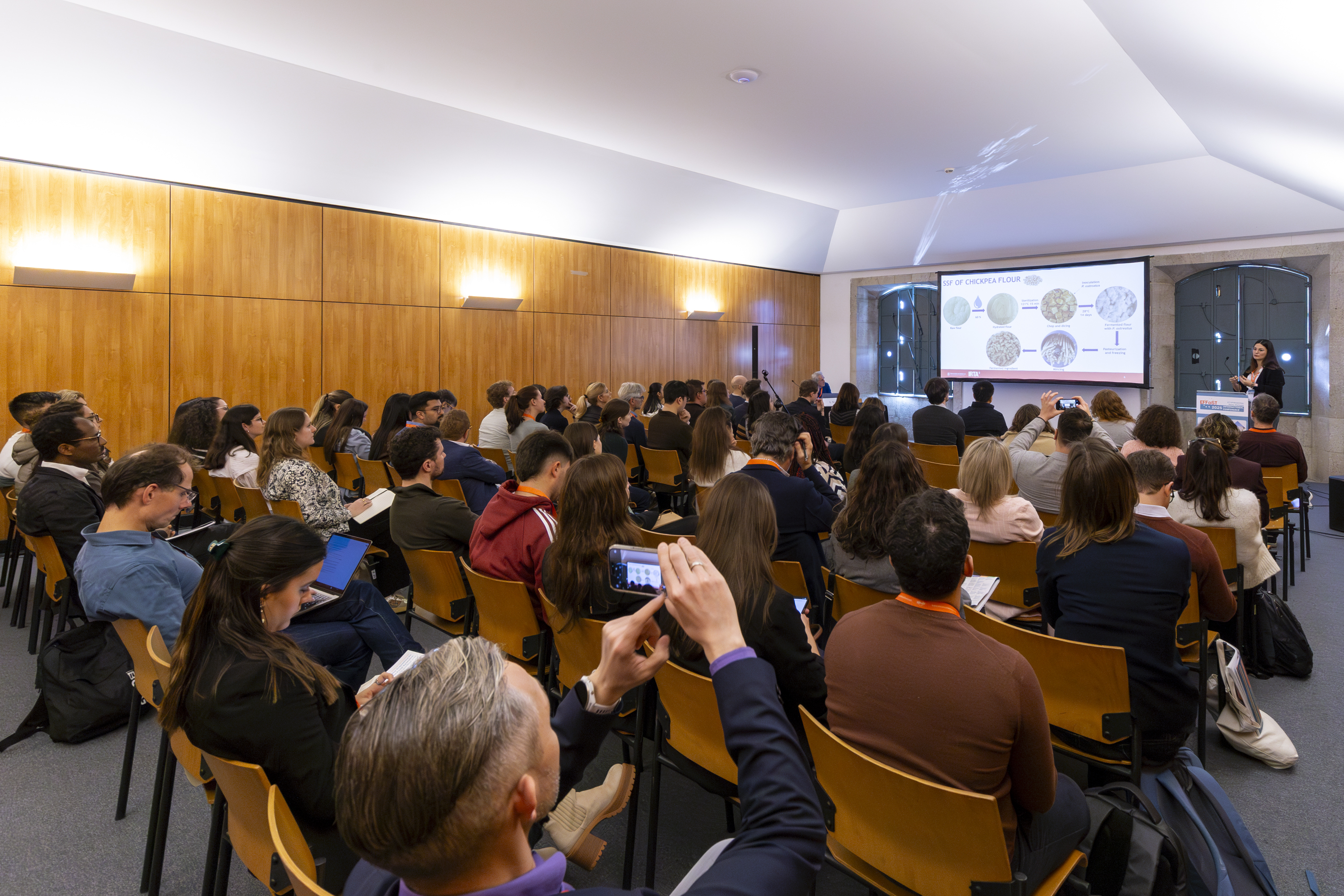
Nadia Ayllón-Parra (IRTA) shared results on the use of fermentation and enzyme technologies to enhance plant-based
meatball and spreadable cheese analogues. Fermented chickpea flour improved flavour profiles and cooking performance in
meat alternatives, while combined fermentation and microbial transglutaminase treatment enhanced the nutritional and
structural properties of a plant-based cheese analogue. The findings demonstrate the potential of biotechnological
approaches to improve both sensory and nutritional quality.
Understanding consumer acceptance
Fabienne Michel (ETH Zurich, Switzerland) presented a conjoint study conducted in four European countries to assess
consumer preferences for meat alternatives. The research examined how product attributes and processing technologies
influence acceptance, providing insights into how alternative proteins can better meet consumer expectations and support
dietary change.
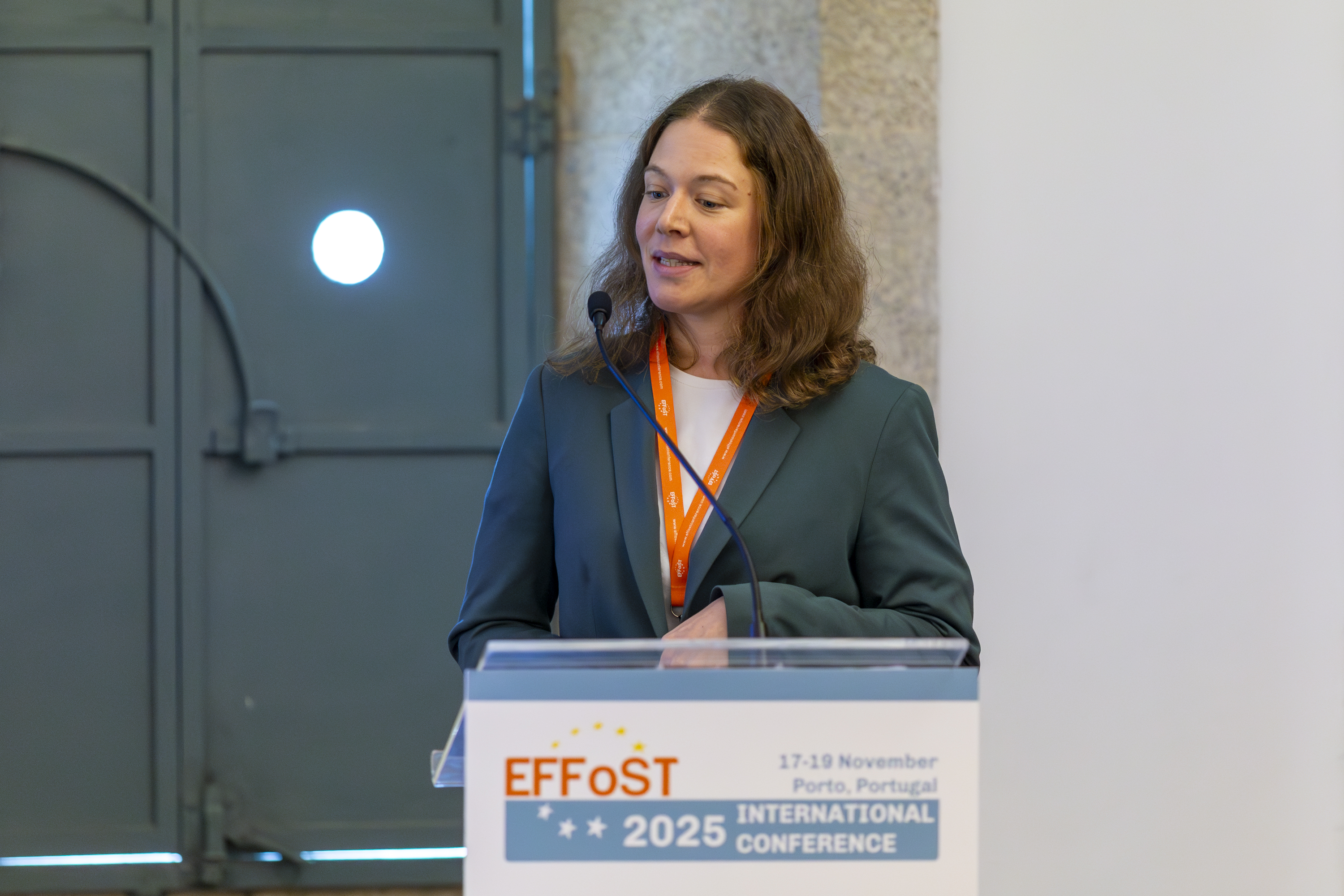
Comparing nutrition and prices across Europe
Armin Siegrist (ETH Zurich) introduced a large-scale comparison of nearly 2,600 substitute products and 7,500
conventional products across six European countries. The analysis showed that while many substitutes offer advantages
such as higher fibre and lower saturated fat, challenges remain regarding protein quality, salt and sugar content,
fortification, and price competitiveness. The results highlight areas where further innovation is needed to make
alternatives more compelling and accessible.
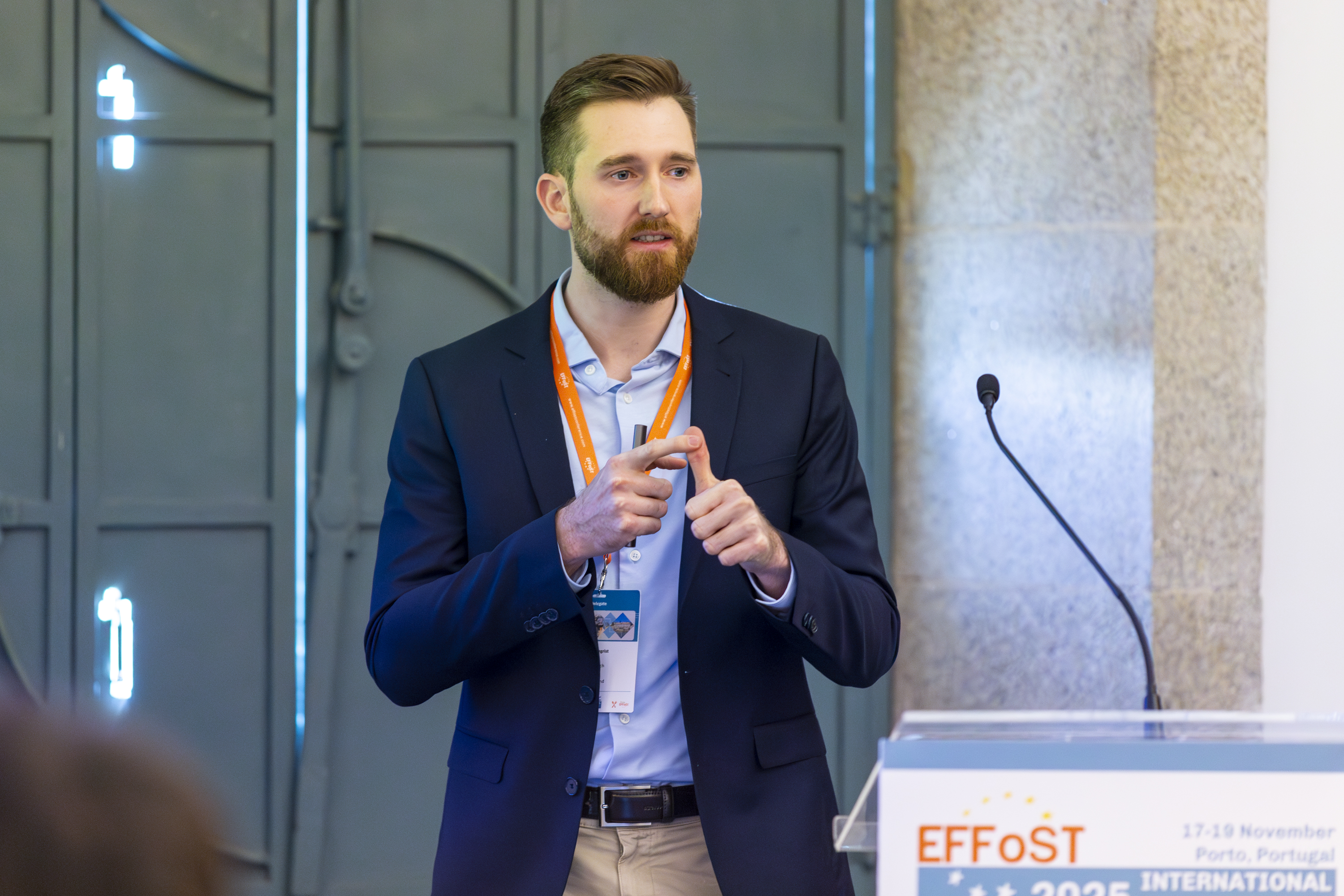
Overall, the GIANT LEAPS special session at EFFoST2025 demonstrated the project’s integrated approach to accelerating the protein transition, combining data-driven tools, food processing innovation, consumer research, and market analysis to support the shift towards more sustainable diets in Europe.